Why Your Roses Aren't Blooming (and How to Fix It)
Gardens Glow Editorial · 2026-08-01
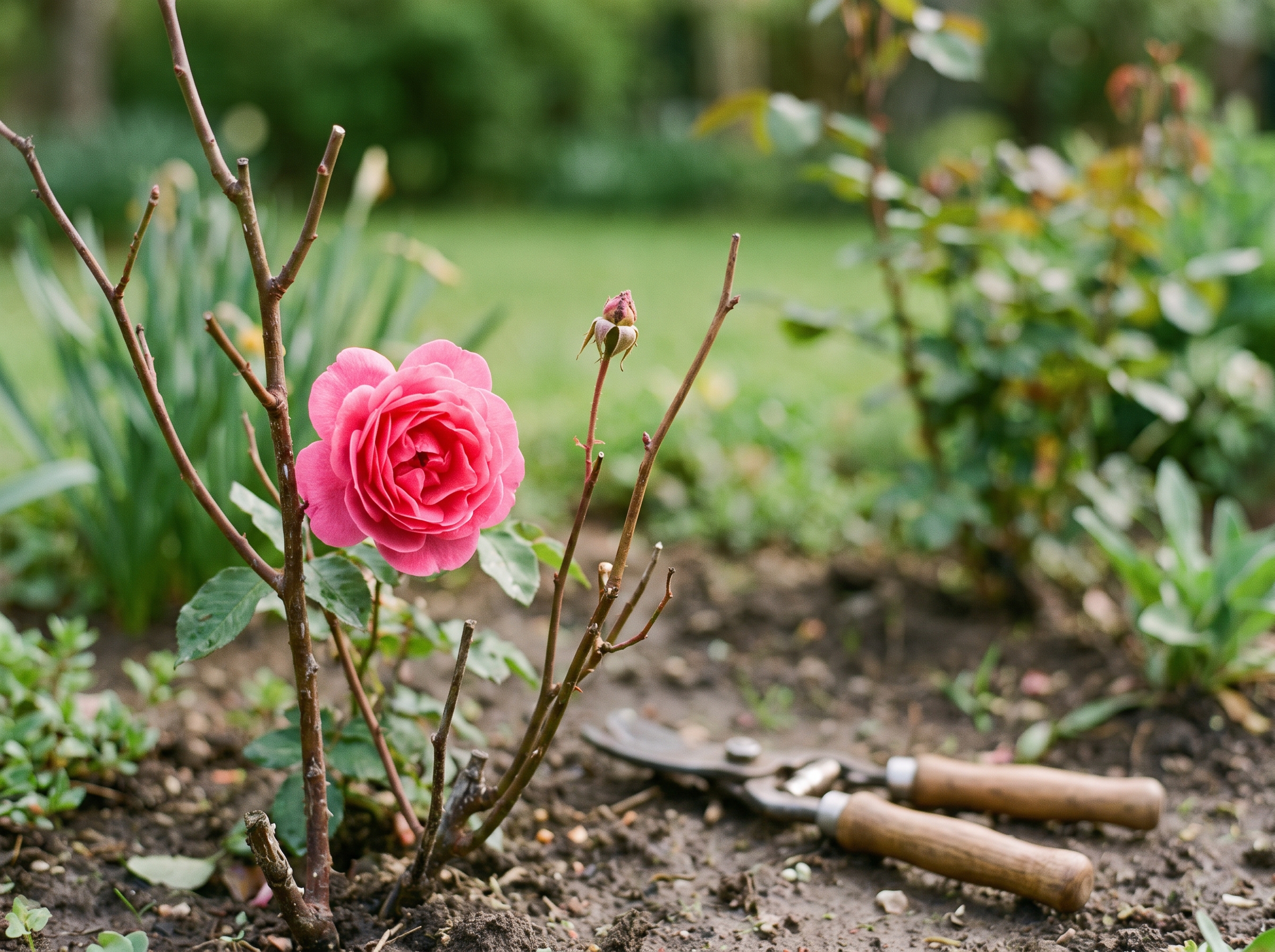
Not getting blooms on your roses? Discover the reasons behind this common issue and learn practical solutions to get your rose bush flowering beautifully again.
Introduction
There is nothing quite as rewarding as witnessing your rose bushes burst into vibrant bloom. However, if your roses are refusing to flower, it can be both puzzling and disappointing. Fortunately, there are clear reasons why your roses may not be blooming, and most of them come with straightforward solutions. In this article, we will explore common causes and provide practical tips to help your roses flourish.
Insufficient Sunlight
One of the primary factors affecting rose blooms is sunlight. Roses thrive in full sun and require at least six hours of direct sunlight each day. If your roses are not receiving enough sunlight, they may struggle to produce flowers.
Solution
Evaluate the location of your rose bushes. Consider moving them to a sunnier spot in your garden or trim back any overhanging branches that may be casting shade. If relocating is not an option, try planting companion plants that don't compete for sunlight.
Improper Pruning
Pruning plays a crucial role in rose blooming. Incorrect pruning can lead to weak growth and fewer blooms. It is important to prune your roses properly and at the right time.
Solution
Prune your roses in late winter or early spring, just as new growth begins. Focus on removing dead, damaged, or crossing branches to encourage healthy growth. Use clean, sharp tools to make precise cuts at a 45-degree angle, just above an outward-facing bud.
Nutrient Deficiencies
Roses are heavy feeders and require a balanced diet of nutrients to produce an abundance of blooms. A lack of essential nutrients such as nitrogen, phosphorus, or potassium can result in poor flowering.
Solution
Feed your roses with a high-quality, balanced fertilizer formulated specifically for roses. Apply fertilizer in early spring when new growth appears and follow up with additional feedings every 4-6 weeks during the growing season. Ensure your soil is well-drained and enriched with organic matter.
Watering Issues
Both overwatering and underwatering can stress your rose bushes, impacting their ability to bloom. Finding the right balance is key to encouraging healthy growth and flowers.
Solution
Water your roses deeply but infrequently, ensuring that the soil remains consistently moist but not waterlogged. A general rule is to provide about 1-2 inches of water per week, either from rainfall or supplemental watering. Mulching around the base of the plants can help retain moisture and regulate soil temperature.
Pest and Disease Problems
Pests and diseases can sap the vitality of your roses, leading to a decrease in blooms. Common culprits include aphids, spider mites, and fungal diseases like black spot and powdery mildew.
Solution
Regularly inspect your roses for signs of pests and diseases. Use organic insecticidal soaps or neem oil to control pests, and apply fungicidal treatments as necessary. Maintaining good air circulation by properly spacing plants can also help prevent fungal issues.
Conclusion
While it can be disheartening to see roses fail to bloom, understanding the underlying causes can help you take the necessary steps to remedy the situation. By ensuring your roses receive ample sunlight, are pruned correctly, fed sufficiently, watered appropriately, and protected from pests and diseases, you can look forward to a garden filled with beautiful, blooming roses. Happy gardening!